
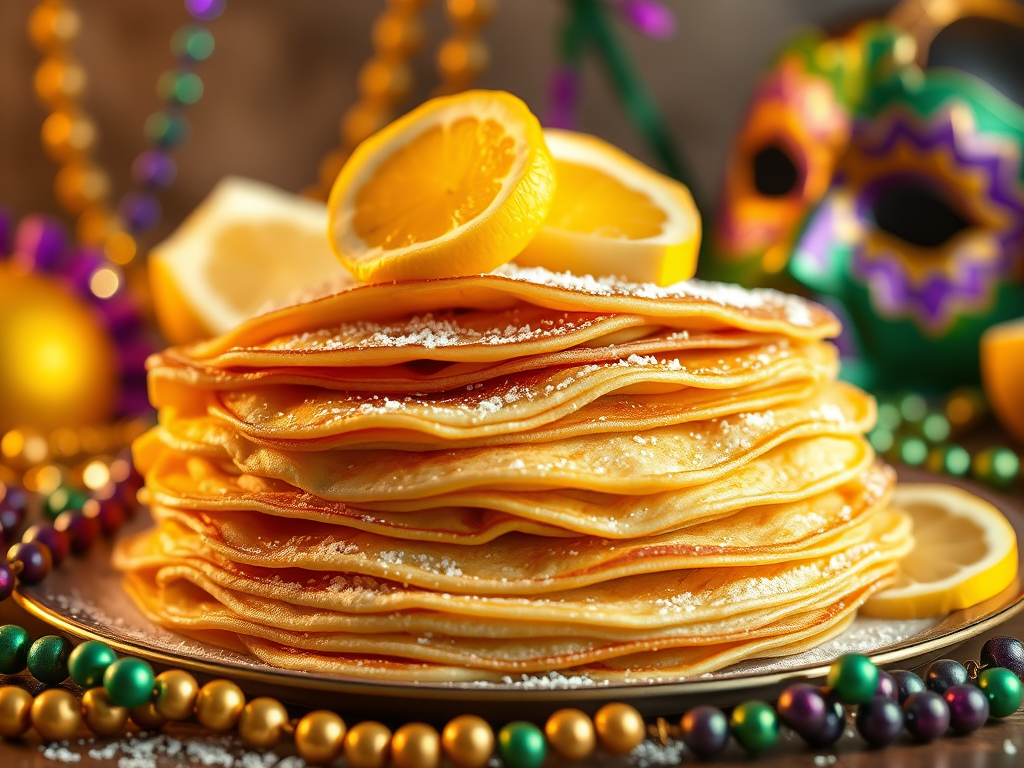
Pancake Day, or to give it its correct name, Shrove Tuesday, is also known as “Mardi Gras”, and is a very popular date in many Western countries, but what is it, exactly?

Traditionally, in the Christian church, people would confess their sins and be “shriven” (forgiven) on the Tuesday that falls six weeks before Easter. This day became known as Shrove Tuesday. Since Easter is a moveable feast, Shrove Tuesday falls on a different date each year. This year (2026) it falls on February 17th, with Easter Sunday falling on April 05th. In the Christian tradition, the day after Shrove Tuesday is Ash Wednesday, and the first day of Lent, which is a period of fasting, lasting for 40 days (not including Sundays.) Fasting is a period of time in which certain foods, such as milk, eggs, fats and flour are not eaten, and the person who is fasting should spend their time in quiet reflection. Since people were not able to store these foods easily, they would use them up on Shrove Tuesday.
Pancakes are a simple way to use up these foods, as they are made with milk, eggs and flour, and fried in butter, so it became traditional for people to make pancakes on this day, hence the name “Pancake Day” in the UK. Traditionally, people in the UK serve their pancakes with a little squeeze of lemon and a sprinkle of sugar, although jam, syrup, chocolate spread, fruit, and many other toppings are also popular. Some people also make them with a savoury filling, such as meat or vegetables, as a more substantial meal.
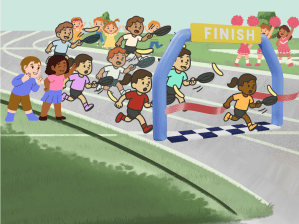
Nowadays, people who participate in Lent are more likely to give up certain foods that they enjoy, such as chocolate, rather than fasting completely but for many Christians, this is still an important time. For many people, however, Pancake Day no longer has the religious meaning that it once had, and is simply an excuse for people to enjoy cooking and eating pancakes, and many traditions have developed around this. For example, in many places people participate in pancake races. This involves people, often in fancy dress, racing each other while tossing a pancake in a frying pan: if they drop their pancake, they are out of the race, and the winner is the first person to cross the finish line with their pancake still being tossed and caught in their frying pan. A few places in Britain also retain an old tradition of playing a game of “Mob football” on the streets of the town on Shrove Tuesday.
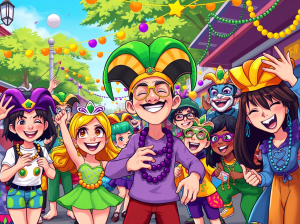
In other parts of the world, the focus is less on pancakes, and more on celebrations with a carnival atmosphere, such as the world-famous “Mardi Gras” parades in New Orleans, in America. “Mardi Gras” is French, and literally means “fat Tuesday” referring to the tradition of using rich foods, including fat and dairy products, on Shrove Tuesday. This celebration was taken to America from Europe, where it grew into the carnival that people recognise today.
Whatever you choose to call it, and however you celebrate it, Shrove Tuesday, Pancake Day, or Mardi Gras is a day to spend time with our friends and families, enjoying foods that we may not eat on a daily basis.
Do you celebrate Shrove Tuesday in your country? How do you celebrate it? If you eat pancakes, what is your favourite topping? Let me know in the comments below!
 Fern's English
Leave a comment