

Every country, and every culture, has its own festivals and traditions. In the United Kingdom, Christmas is probably the biggest and most popular. So if you don’t celebrate Christmas in your country, or if you celebrate it differently, how much do you know about British traditions? Read on to find out more!
- Midnight Mass

Christmas is a Christian celebration and although for many people in the UK religion is no longer an important part of the festivities, many others begin their celebrations by attending a church service on Christmas Eve, December 24th, which begins just before midnight and continues until just after midnight, so that they can share the beginning of Christmas Day together. The service is often held by candlelight, and traditional Christmas songs and hymns are sung.
- Christmas Carols
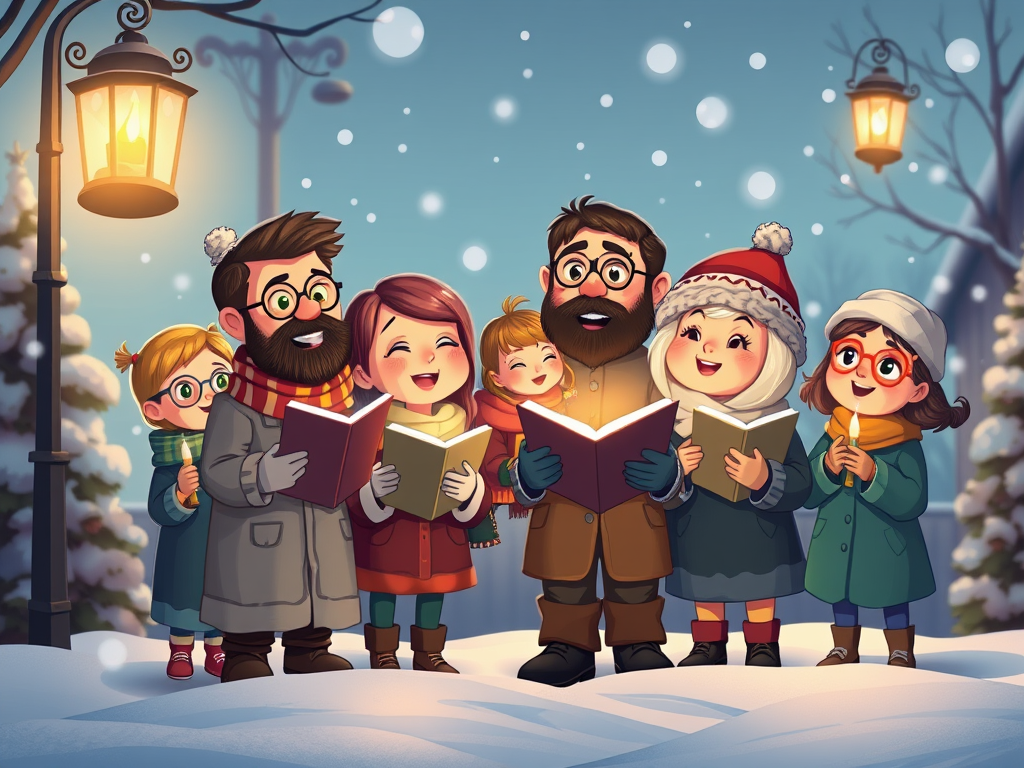
Christmas carols are a special type of Christmas song. The traditional carols are based on Christian hymns but more modern, non-religious Christmas songs are also popular. Traditionally, groups of people called Carol Singers would visit houses and sing carols in exchange for food or drink. Nowadays, they are more likely to be collecting money for a local charity.
- The Nativity
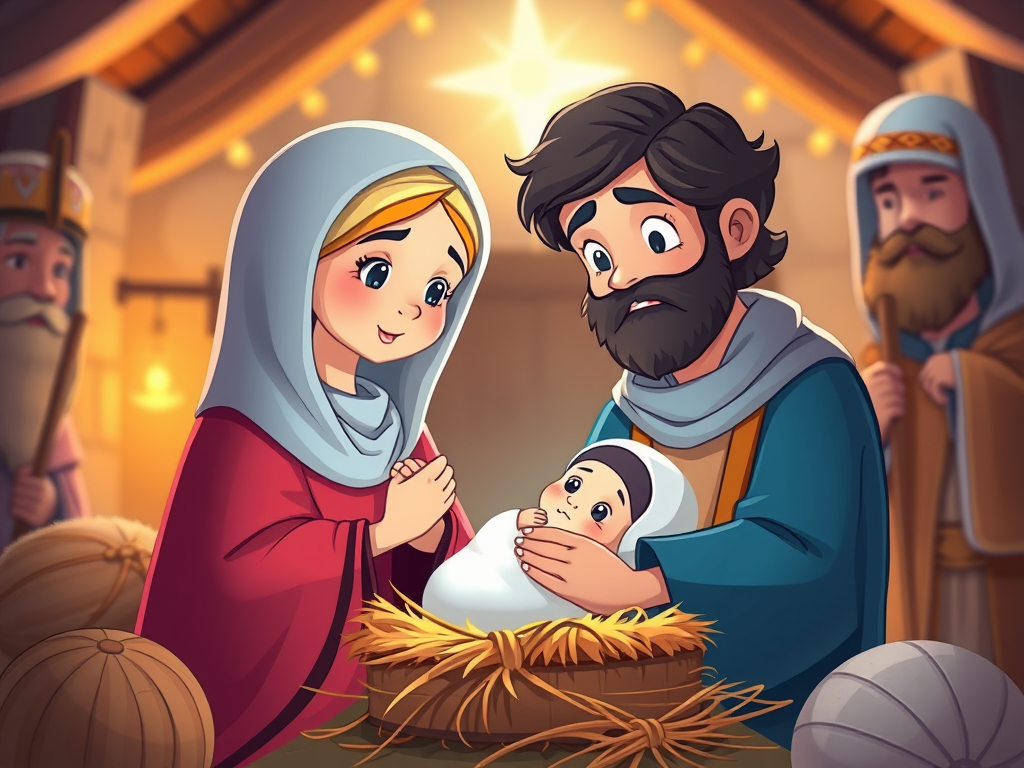
You will often see images or models of the Nativity, representing the traditional Christmas story. Many churches have Nativity displays, either inside or outside the building, and you will see them in other locations as well, including private homes. The images frequently appear on Christmas cards – which we will learn more about later.
- Christmas Day
Christmas in the UK is celebrated on December 25th. This is a public holiday, so most shops and businesses will be closed in order to allow everyone to enjoy the celebrations. Families try to spend time together on this day, sharing the festivities with food and gifts.
- Christmas Trees
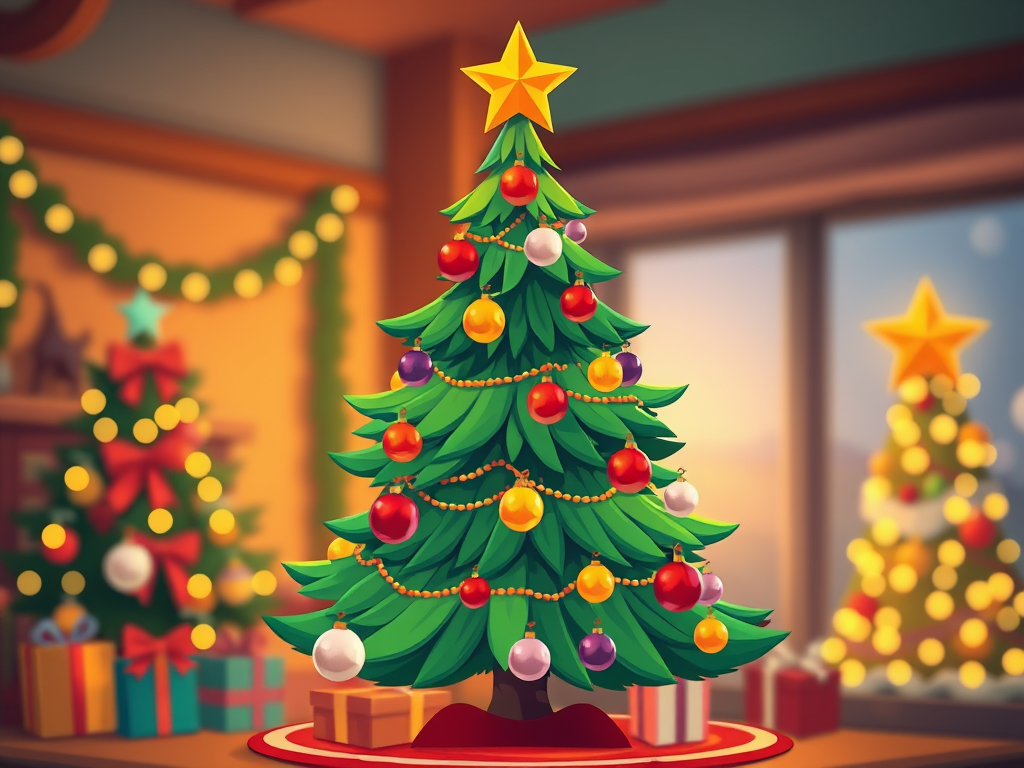
The one thing that you cannot fail to notice, is the Christmas trees. Most households will have one in their house (some will have more than one) and they are the focal point for the festivities. The trees may be real or artificial but they are always beautifully decorated, with colourful lights and decorations. There may be a star or an angel on the top of the tree, representing the Christmas story, and most people take their time to ensure that their tree really is as beautiful as it possibly can be. You will sometimes see additional Christmas trees in the garden, and these may be decorated with edible treats for the birds and other wildlife to enjoy.
Most shops and shopping centres will have a Christmas tree as part of their display, to attract customers and remind them to have a look at the new stock that is available during the festive season, and you will often see Christmas trees in town centres as well, inviting everyone to join in with the celebrations and fun.
Christmas trees usually start to appear towards the end of November or in early December, and they will stay in place until the first week in January.
- Fairy Lights

If you have a Christmas tree, you will almost certainly have fairy (or “Christmas”) lights on it. These lights come as a long string, and may be colourful or plain white, with bulbs that are permanently glowing, or flashing in different patterns but whatever style people choose, you may be sure that they are immediately recognised as a symbol of Christmas.
Fairy lights don’t just appear on Christmas trees – people hang them in their windows, around rooms and decorate the outside of their homes with them as well. You will see them in shops and through town centres, bringing colour and light to a dull, grey time of year.
- Tinsel
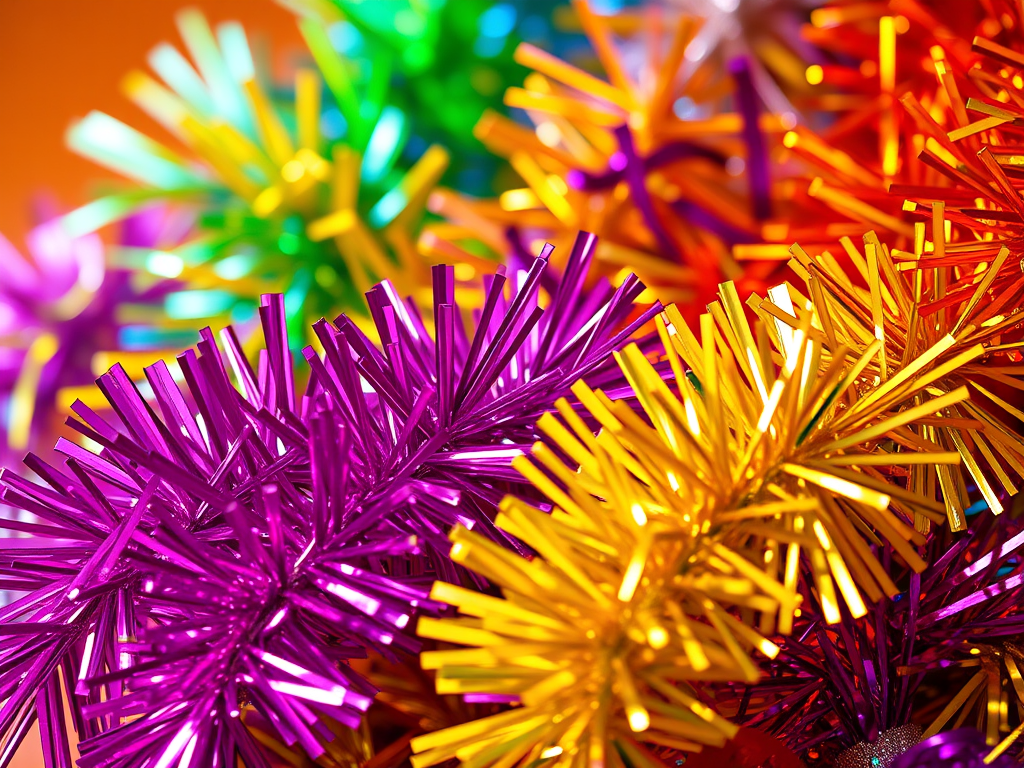
Tinsel is a shiny, metallic garland which is used to decorate the Christmas tree. You may also see it on pictures, or wrapped around things such as the banisters on staircases.
- Baubles

Baubles are decorations which are hung on the Christmas tree. Traditionally colourful glass balls, nowadays, they come in all sorts of designs, including snowmen, reindeer, and toys.
- Christmas Stockings

Traditionally, children hang their stockings by the fireplace on Christmas Eve – the 24th of December – in the hope that they will have been filled with small gifts by the time they wake up on Christmas morning. Children who have been good will not usually be disappointed but if they have been very naughty, they might find their stocking has been filled with coal or ashes from the fireplace! This threat usually ensures good behaviour in the days leading up to Christmas!
- Father Christmas
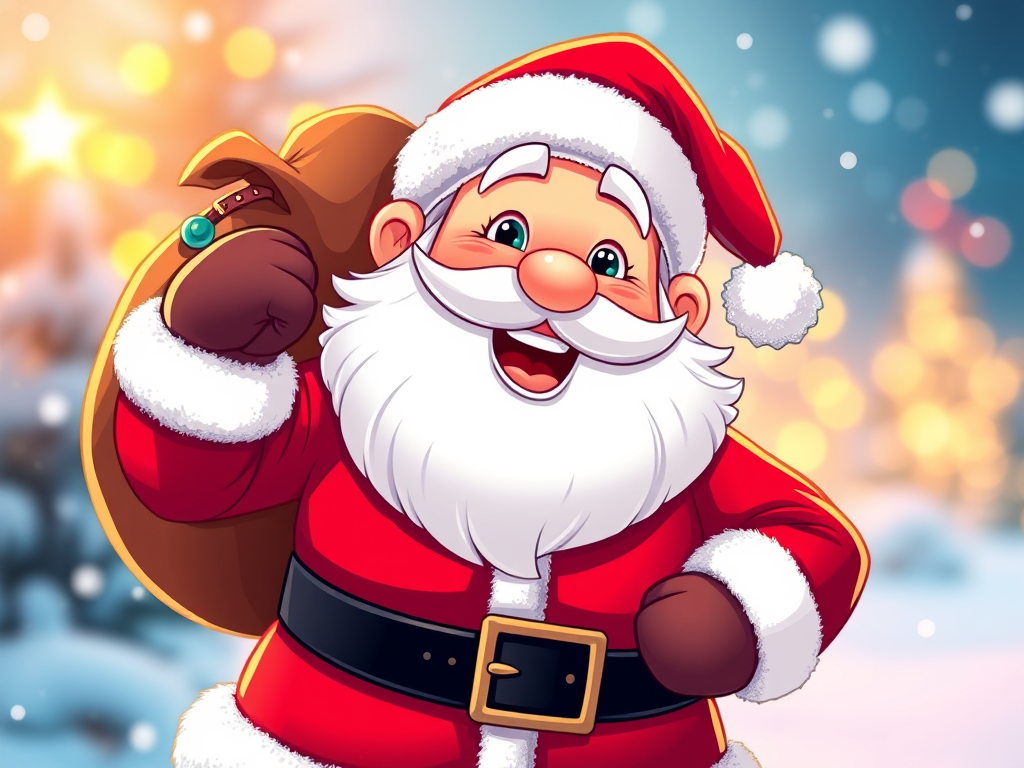
Father Christmas (also known as Santa) is a very well-known figure. He is responsible for bringing the Christmas presents to children who have been good throughout the year. He fills their stockings with small gifts, and leaves bigger gifts under the Christmas tree for them to find when they wake up on Christmas morning. Father Christmas is magical, and can get into any house. Traditionally, he used to come down the chimney while everyone in the house was asleep, but since many modern houses don’t have chimneys, he is also able to use a magic key and enter through the front door. He carries all the presents in one magic sack, which is small enough for him to carry but big enough to fit in gifts for all of the good boys and girls. You will see images of Father Christmas everywhere at this time of year – he appears in pictures, on cards and in the form of ornaments or models, ranging from small baubles for the tree, through to full-sized inflatable versions.
Many large shops, shopping centres and garden centres have a “Santa’s Grotto”, where children can be taken in the weeks leading up to Christmas. Here, they are able to meet Father Christmas and tell him what they would like to receive for Christmas, and they usually receive a small gift, such as sweets, while they are there.
- Sleigh and Reindeer

Father Christmas travels around the world in a sleigh, which is pulled by magical reindeer. The reindeer are able to fly incredibly fast – so fast, that Father Christmas can deliver gifts all over the world in just one night. Sometimes, Father Christmas is seen with one reindeer, who may have a red nose and at other times, he has up to eight reindeer pulling his sleigh. Whether it’s just one or eight, they land on the roof of every house, to enable Father Christmas to go down the chimney with his sack of gifts. If you happen to be awake late on Christmas Eve, you may be lucky enough to hear the faint tinkling of sleigh bells as they fly through the sky – though they won’t stop at your house until you fall asleep, so don’t try to stay up late to see them or you may miss out on your presents!
- Christmas Presents

Christmas presents are what everyone hopes to see under the tree when they wake up on Christmas morning. The presents are usually wrapped in colourful paper, though some people like to use more environmentally friendly wrappings, such as fabric, these days. There may be bows, flowers or other decorations on the parcel, and for many people wrapping presents to be as beautiful as possible is all part of the celebration.
- Christmas Cards
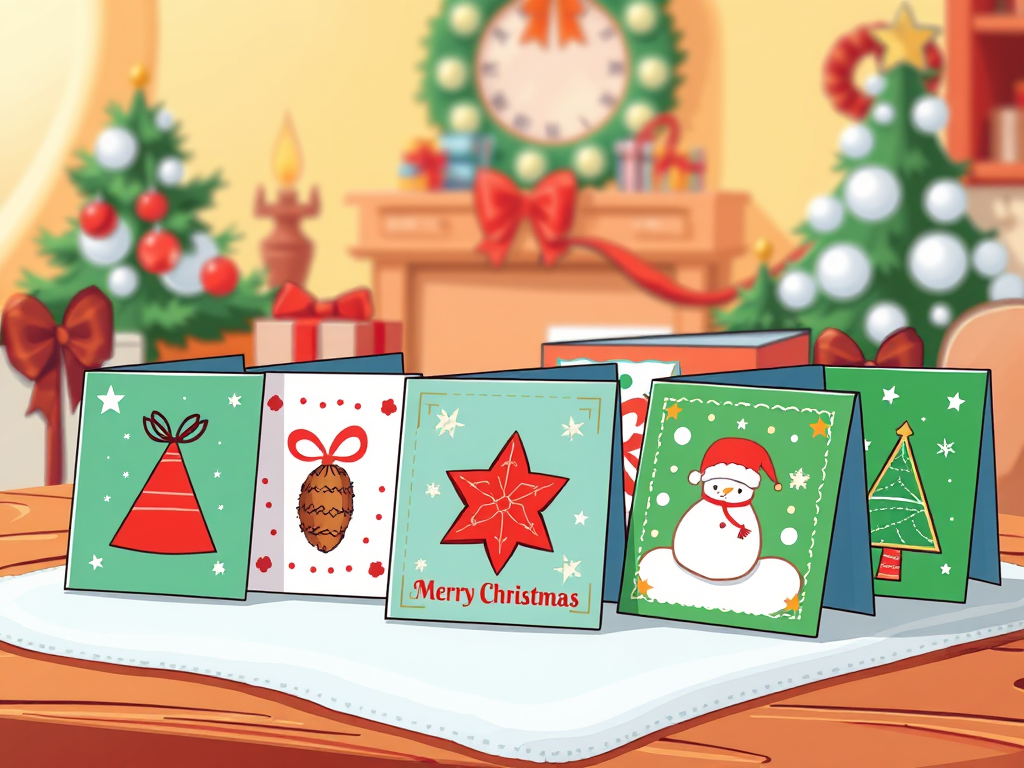
Christmas cards are sent to friends and family, to let them know that you are thinking of them at this festive time of year, even if you can’t be with them. The pictures may be religious images, winter scenes, Christmas trees or other images of winter or the festive season.
- Christmas Dinner

Christmas dinner is considered by most families to be the most important meal of the year! For many people, turkey is the preferred choice of meat, though other meats or vegetarian options may be chosen. There are usually several side dishes, including stuffing, a selection of vegetables (including Brussels sprouts, which people either love or hate), roasted potatoes and parsnips. Many people also serve Yorkshire pudding, which is a savoury batter that’s baked in the oven. There may be bread sauce and most people have gravy. For dessert, the traditional choice is Christmas pudding, a rich fruit cake, which may be served with cream or brandy sauce, and is sometimes soaked in brandy and set alight at the table!
- Christmas Crackers
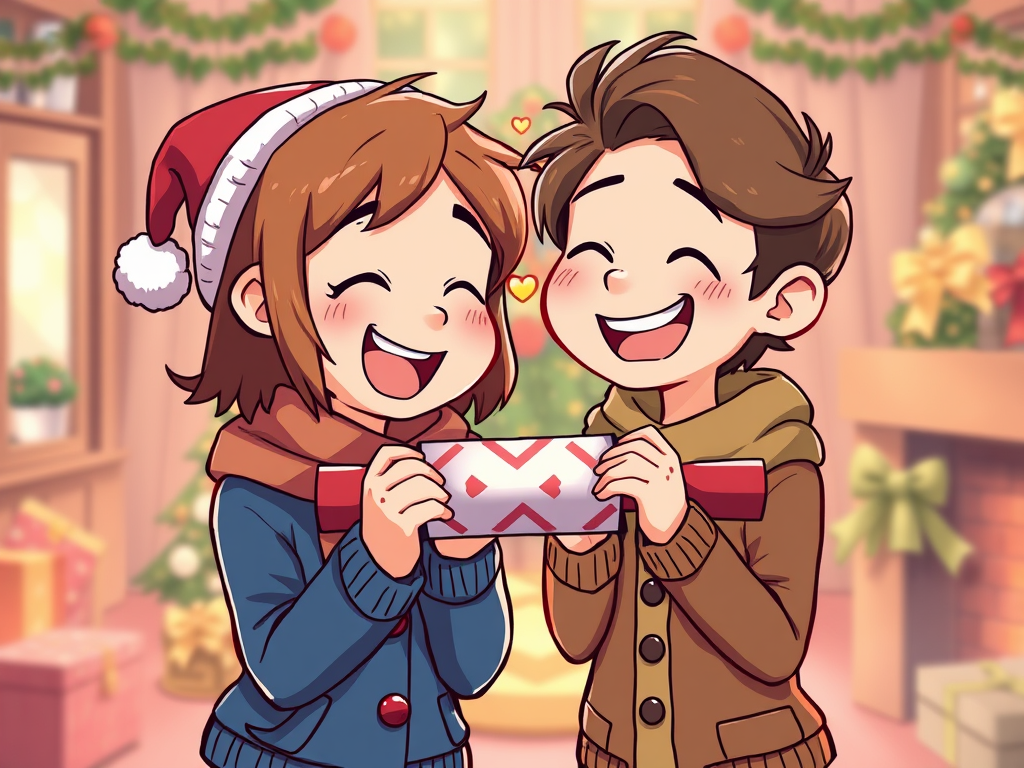
Christmas crackers are a very British tradition. They are small cardboard tubes, covered in colourful paper, which usually contain a silly hat (which never fits), a small gift and a very bad joke. There is also a “snap”, which is a thin strip of card, in two overlapping pieces, running through the length of the cracker. Where the pieces join, there is a tiny amount of gunpowder. The friction that is generated when the strip is pulled apart causes a small “snap” or “crack” sound. Crackers are usually placed on the table for Christmas dinner. Each person has a cracker at their place. They take hold of one end of their cracker, and offer the other end to the person sitting next to them. Both people pull on their end of the cracker at the same time. This causes the snap to work and the cracker usually falls apart. The person with the biggest piece wins the contents of the cracker, although if one person wins twice, they will usually share the contents, so that nobody is left without a silly hat to wear through dinner!
By the way, the jokes inside Christmas crackers are so bad that they are recognised as a type of joke all of their own. If you ask a British person to tell you a “Christmas cracker joke” they will know exactly what you mean!
- The King’s Speech

At 3 o’clock pm (15:00) on Christmas Day, the King makes a speech on television. For many people, this is a key part of Christmas and the whole family sits down to watch the speech. The King usually talks about the events of the past year and about his hopes for the coming year.
- Boxing Day
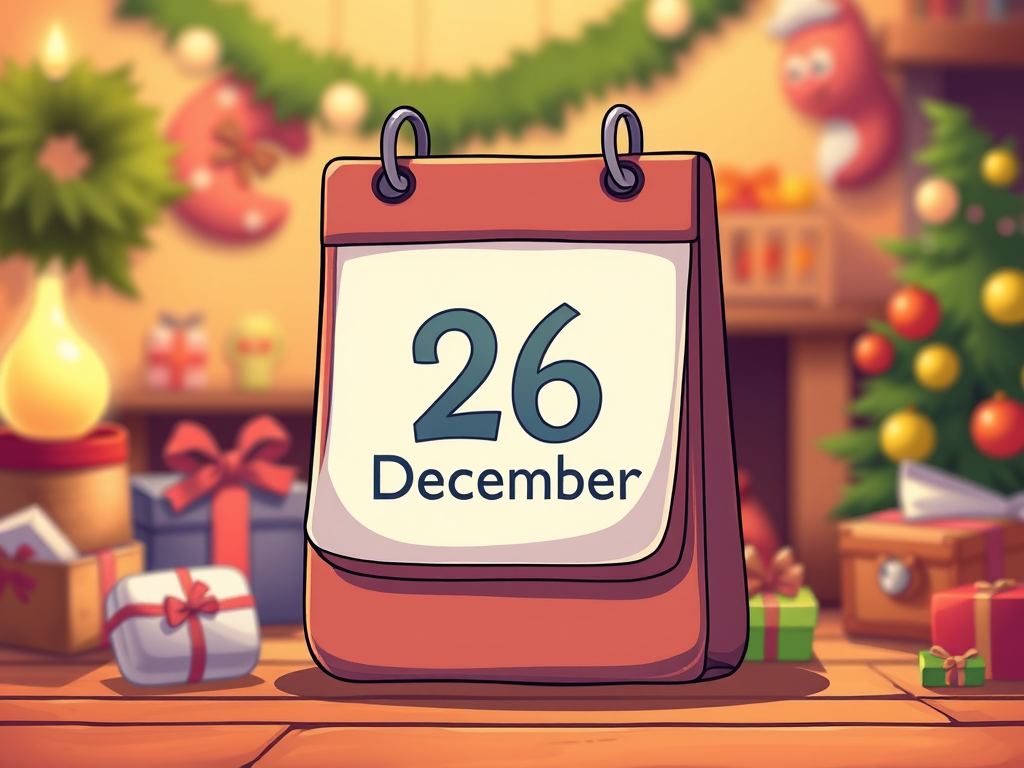
Boxing Day falls on December 26th and is also a public holiday in the UK. Many shops and businesses remain closed, although some shops do open and start their post-Christmas sales, known as “Boxing Day sales”. The name comes from Victorian times. Servants used to have to work on Christmas day but were given the next day off work and were given a Christmas “box” or gift by their masters. They took this box home to their families to celebrate the festive season. At this time, the rich also used to give boxes of gifts – often food – to the poor on 26th December, and the Church would collect money into a box throughout the year, which they would open and give to the poor on the day after Christmas. Nowadays, Boxing Day is a day for relaxing after the excesses of Christmas Day. People may sit at home and watch TV, go for a walk, or of course, head for the shops to see if they can snap up a bargain!
So there you have it, a selection of British Christmas traditions. Which ones do you most like the sound of? If you celebrate Christmas, would you try any of these ideas with your family? Let me know in the comments below, and whatever you do to celebrate, have a very Happy Christmas!
 Fern's English
Leave a comment